

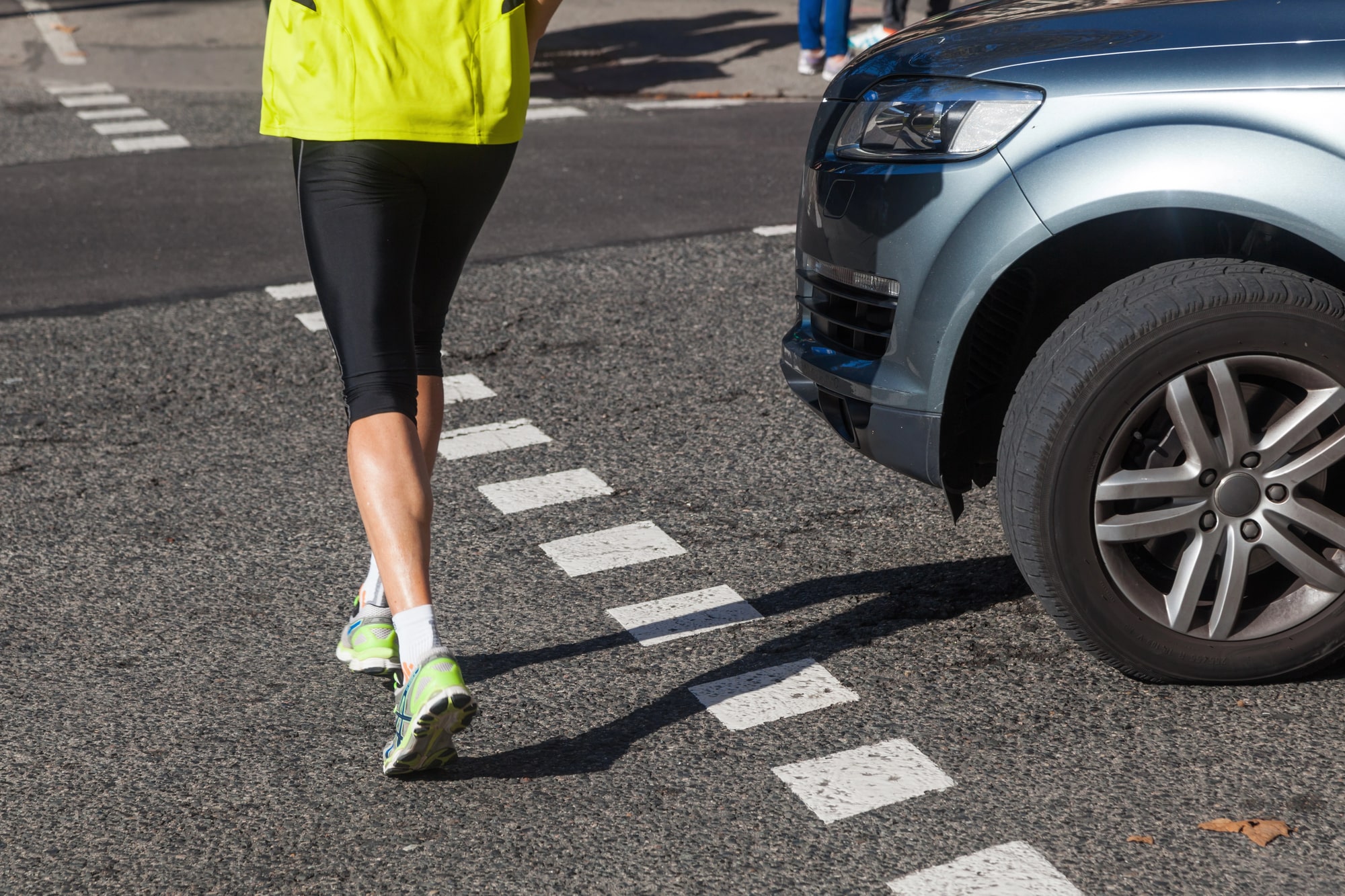
A pedestrian accident lawyer maximizes your compensation by proving driver negligence, documenting the lifetime cost of your injuries, and refusing the insurer’s first offer. In New York, that work also means clearing the serious injury threshold, the legal gate that decides whether you can recover for pain and suffering at all.
Being struck by a vehicle leaves you with medical bills, lost income, and a driver’s insurer already building its defense. Our Ossining, NY pedestrian accident lawyer steps into that gap on day one.
What Compensation Can You Recover After A Pedestrian Accident?
A pedestrian struck in New York can recover economic damages, non-economic damages, and — in a fatal case — wrongful death damages. Economic damages cover verifiable financial loss, while non-economic damages compensate the human cost of the injury.
The recoverable categories are listed below.
- Past and future medical treatment, surgery, and rehabilitation
- Lost wages and reduced future earning capacity
- Home care, assistive devices, and travel to treatment
- Pain and suffering
- Permanent disfigurement, scarring, or disability
- Loss of enjoyment of life
Our Westchester County pedestrian accident lawyer values every category separately. Insurers pay only for losses you can prove and quantify, so an undocumented category is treated as a category worth nothing.
What Does New York No-Fault Insurance Pay A Pedestrian?
New York no-fault insurance pays a struck pedestrian up to $50,000 in basic economic loss through the policy covering the vehicle that hit them. Those benefits cover medical bills and a portion of lost earnings regardless of who caused the crash.
No-fault carries a hard filing rule: written notice generally must reach the insurer within 30 days of the accident. Missing that window can forfeit the benefits entirely, which is why the first phone call matters more than most injured pedestrians realize.
What Is New York’s Serious Injury Threshold?
The serious injury threshold is the standard under Insurance Law § 5102(d) that a pedestrian must meet before suing the driver for pain and suffering. Qualifying categories include bone fracture, significant disfigurement, permanent loss of use of a body organ or member, significant limitation of a body function or system, and a disability preventing normal daily activity for 90 of the first 180 days after the crash.
Meeting the threshold is a medical proof problem, not a paperwork problem. Our lawyer builds it with treating physician narratives, imaging studies, and objective range-of-motion testing rather than a summary of your complaints.
How Does A Pedestrian Accident Lawyer Prove The Driver Was At Fault?
Our lawyer proves fault by reconstructing the seconds before impact from independent evidence rather than the driver’s account. Vehicle and Traffic Law § 1146 requires drivers to exercise due care to avoid striking a pedestrian, and § 1151 gives pedestrians the right of way in a marked crosswalk.
The evidence that decides fault is listed below.
- The police accident report and any citation issued at the scene
- Traffic, business, and doorbell camera footage
- Witness statements taken while memory is fresh
- Event data recorder downloads showing vehicle speed and braking
- Scene measurements, skid marks, and point-of-rest photographs
- Accident reconstruction and biomechanical expert analysis
Camera footage is the evidence most often lost. Many systems overwrite within 30 days, so preservation letters go out in the first week of the case.
Does Partial Fault Reduce Your Compensation?
Yes, partial fault reduces your compensation, but it does not bar your claim. New York applies pure comparative negligence under CPLR § 1411, which cuts your award by your percentage of fault instead of eliminating it.
A pedestrian found 30% at fault for crossing mid-block still recovers 70% of the verdict. Insurers understand this arithmetic and inflate your share of the blame, so pushing that percentage down is direct compensation work.
How Does A Lawyer Handle The Insurance Company?
Our lawyer takes over every communication with the adjuster, which ends the recorded statements and blanket medical authorizations that quietly shrink claims. The carrier then negotiates against a documented demand package instead of an unrepresented person still recovering from trauma.
First offers usually arrive before the full extent of an injury is known. We do not evaluate settlement until your treating physicians can state your prognosis and your future care needs.
When Does A Pedestrian Accident Case Go To Court?
A pedestrian accident case goes to court when the insurer’s best offer stays below the documented value of the claim. Filing suit opens discovery, depositions, and a trial date, and that pressure frequently moves a carrier that would not move in negotiation.
How Long Do You Have To File A Pedestrian Accident Claim In New York?
New York gives most injured pedestrians three years from the date of the accident to file a personal injury lawsuit under CPLR § 214. A wrongful death claim runs two years from the date of death.
That deadline collapses when a municipal or government vehicle is involved. A notice of claim is generally due within 90 days under General Municipal Law § 50-e, with suit filed within one year and 90 days.
What Does A Pedestrian Accident Lawyer Cost?
Our firm handles pedestrian accident claims on contingency, so you pay no attorney’s fee unless we recover money for you. The consultation costs nothing and the firm advances case expenses.
If a driver struck you or someone in your family, our Ossining personal injury lawyer can begin preserving evidence today. Call The Law Office of Jeffrey Weiskopf at 914-315-0111 — we answer 24/7.