

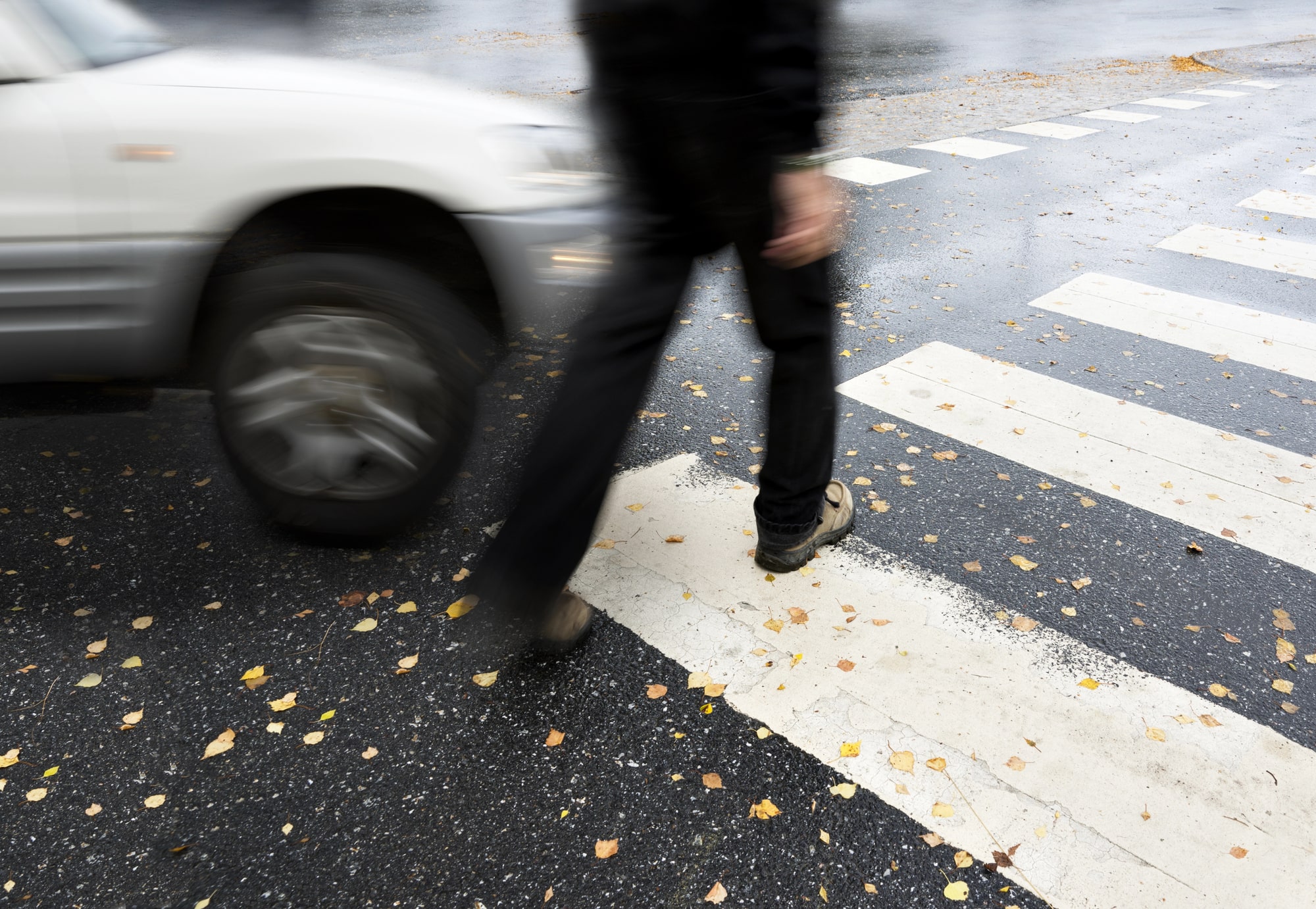
Getting hit by a car while walking can turn your life upside down. Medical bills pile up. You’re missing work. And suddenly you’re dealing with insurance adjusters who seem determined to pin some of the blame on you. That’s where New York’s comparative fault rule comes into play, and understanding it can make a real difference in what you recover.
How Comparative Fault Works In New York
New York follows what’s called “pure comparative negligence.” You can still recover damages even if you were partly at fault for the accident. The catch? Your compensation gets reduced by your percentage of blame. Here’s a simple example. Say you were hit in a crosswalk and suffered $100,000 in damages. If a jury decides you were 20% at fault because you weren’t paying full attention, you’d receive $80,000 instead of the full amount. The driver would be responsible for the remaining 80% of the fault. This rule applies no matter how much fault you share. Even if you were 80% responsible, you could still recover 20% of your damages. That’s different from some states that bar recovery completely if you’re more than 50% at fault.
Common Ways Insurers Try To Shift Blame
Insurance companies know this rule well. They use it to their advantage every single day. They’ll look for any reason to increase your share of fault because it directly reduces what they have to pay. Some common tactics include:
- Claiming you were distracted by your phone or headphones
- Arguing you crossed outside the crosswalk or against the signal
- Suggesting you were wearing dark clothing at night
- Pointing out that you stepped into traffic suddenly without looking
These arguments might sound reasonable at first, but they often ignore the bigger picture. Drivers have a legal duty to watch for pedestrians and exercise reasonable care. Just because you weren’t perfect doesn’t mean the driver wasn’t primarily responsible.
What Actually Counts As Fault
New York law gives pedestrians the right of way in marked crosswalks when they have the signal. But even if you crossed mid-block or against the light, that doesn’t automatically make the crash your fault. Courts look at the totality of circumstances. Was the driver speeding? Were they texting? Did they run a red light or fail to yield? These factors matter just as much as what you were doing. The Yonkers pedestrian accident lawyer you work with will gather evidence to show the full context of what happened. Traffic camera footage matters. So do witness statements, police reports, and accident reconstruction. Sometimes the driver’s own words right after the crash become the strongest evidence. That’s why it’s so important to preserve everything from the scene.
How Fault Gets Determined
In most pedestrian cases, fault doesn’t get decided in court. Instead, it’s negotiated during settlement talks. Your attorney and the insurance company will exchange evidence and argue about percentages. If you can’t agree, the case might go to trial, where a jury makes the final call. Juries receive specific instructions about comparative fault. They hear all the evidence, decide who was at fault and to what degree, and then reduce the damages accordingly. Their decision has to be based on the facts, not sympathy or guesswork. This is where strong legal representation really matters. The Law Office of Jeffrey Weiskopf knows how to present evidence in a way that minimizes your share of fault and maximizes your recovery. We’ve seen insurance companies try every trick to shift blame. We know how to counter their arguments.
Why The Percentage Matters So Much
Even a small shift in fault percentages can mean thousands of dollars. In serious pedestrian accidents where damages reach into six figures, a 10% difference in fault could cost you $50,000 or more. That’s why you shouldn’t accept the insurance company’s first assessment of fault. They’ll often start with an inflated percentage of blame on your side, hoping you’ll accept it without pushing back. Early in the process, before all evidence is reviewed, they might claim you were 40% or 50% at fault when the real number should be much lower. Don’t fall for it.
Protecting Your Rights After A Pedestrian Accident
New York’s comparative fault rule means you can still recover compensation even when you share some responsibility. But you need someone in your corner who understands how to build a case that accurately reflects what happened. Don’t let an insurance company convince you that you’re mostly to blame when the driver’s negligence caused your injuries. A Yonkers pedestrian accident lawyer can evaluate your case, gather the right evidence, and fight for the compensation you deserve under New York law.