

Most people think they understand pedestrian right-of-way laws until they actually need to rely on them. The truth is, New York’s rules about when walkers have the right of way are more specific than you’d expect. They’re designed to protect people on foot, but they also place clear responsibilities on both pedestrians and drivers. When these rules get violated, people get hurt.
When Pedestrians Have The Right Of Way In New York
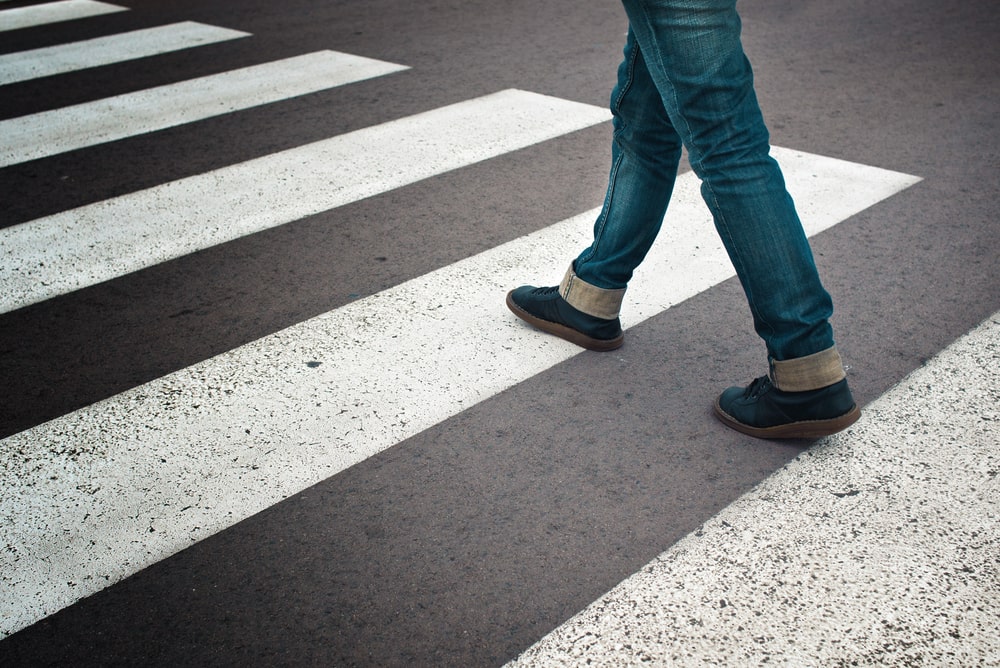
At marked crosswalks, you’ve got the right of way. Period. Drivers must yield to anyone crossing within those painted lines, whether there’s a signal or not. If you’re already in the crosswalk, vehicles coming from either direction need to stop and let you pass safely. Here’s something many drivers don’t realize: unmarked crosswalks exist at virtually every intersection. Two roads meet, and there’s an automatic crosswalk at each corner, even without painted lines. Drivers turning into these areas must yield to people crossing. No exceptions. Traffic signals add another layer. When you see a walk signal, you can enter the crosswalk, and cars must wait. Even if the signal changes to “don’t walk” while you’re mid-crossing, drivers still have to let you reach the other side. You don’t lose your protection halfway across the street.
Where Drivers Must Yield To Walkers
Intersections aren’t the only places where pedestrians have legal protections. Drivers turning at any intersection have to give walkers the right of way, regardless of whether they’re turning right or left. This means a driver can’t cut you off just because they’ve got a green light and you’re in their turning path. Driveways and parking lots work the same way. When a car backs out of a driveway or exits a parking area and crosses a sidewalk, the driver must stop for anyone walking on that sidewalk. The Law Office of Jeffrey Weiskopf has represented clients who were struck by drivers who simply didn’t look before pulling out. School zones and residential areas sometimes carry additional protections. The basic right-of-way rules apply everywhere, but these zones often feature reduced speed limits and tougher penalties when violations injure pedestrians.
Pedestrian Responsibilities Under New York Law
Rights come with obligations. You can’t just step into traffic whenever you feel like it. Pedestrians must follow traffic signals and cross at designated locations when signals are present. If you cross against a “don’t walk” signal or jaywalk mid-block, you’re potentially giving up your legal protections if something goes wrong. New York Vehicle and Traffic Law Section 1152 spells this out pretty clearly. Pedestrians can’t suddenly leave a curb or safe place and walk directly into the path of a vehicle that’s too close to yield. This doesn’t eliminate your right of way at crosswalks, but it does require reasonable judgment on your part. When there’s no crosswalk available, the rules flip. Pedestrians must yield to vehicles. If you need to cross mid-block where no crosswalk exists, you’re responsible for making sure you can do it safely without forcing drivers to slam on their brakes or swerve.
What Happens When Right-of-Way Rules Are Violated
Violations of these laws often result in devastating injuries. Pedestrians don’t have airbags or seatbelts. When a two-ton vehicle hits someone walking, the consequences can be catastrophic. A New York pedestrian accident lawyer can help victims understand what legal options they have when drivers fail to yield. Common violation scenarios include:
- Drivers turning without checking for pedestrians
- Motorists running red lights or stop signs at crosswalks
- Vehicles failing to stop at unmarked intersections
- Drivers speeding through residential areas
When a driver violates right-of-way rules and hits someone, they may be liable for medical expenses, lost income, pain and suffering, and other damages. New York uses a comparative negligence system, which means even if you share some fault for the accident, you can still recover compensation as long as you’re not more than 50% responsible.
Understanding Crosswalk Protections
Marked crosswalks offer the strongest legal protections. These designated crossing areas require drivers to stop when someone is present, not just tap the brakes and keep rolling. The obligation exists whether you’re already in the crosswalk or you’re clearly about to enter it. Some intersections have pedestrian countdown timers. They help you know how much time you’ve got to cross, but they don’t change the fundamental right-of-way rules. If you enter the crosswalk while the signal permits it, drivers must let you finish crossing even if the countdown hits zero. Crosswalk violations aren’t just dangerous. They’re illegal. Drivers who fail to yield can get traffic tickets, fines, and points on their license. When these violations cause injuries, criminal charges may apply in the most serious cases.
Walking in New York means constantly watching out for drivers who don’t follow the rules. You shouldn’t have to do that, but you do. If you’ve been injured in a pedestrian accident, understanding these rights is essential to your recovery. A New York pedestrian accident lawyer can evaluate what happened, gather evidence about right-of-way violations, and fight to get you the compensation you’re entitled to. Don’t let confusion about these laws stop you from seeking justice, contact us today.